
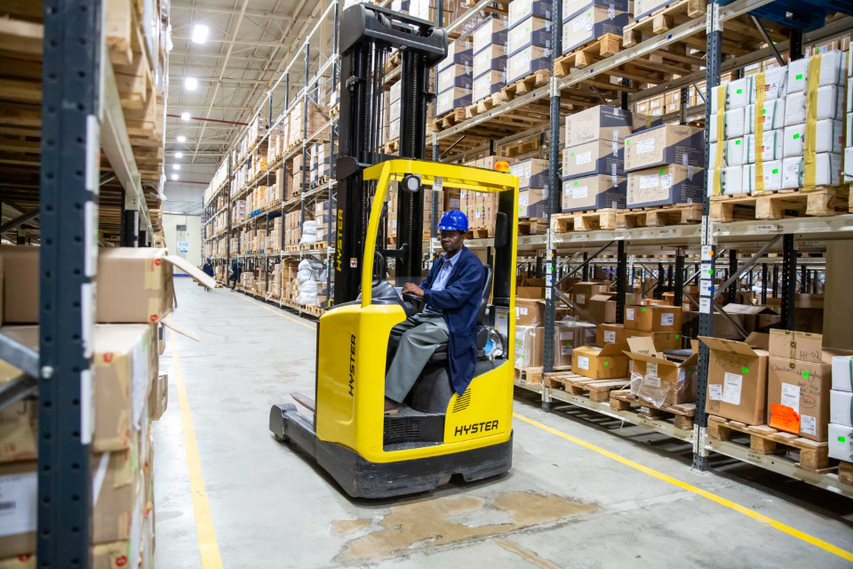
Supply Chain & Logistics Department.
The Supply Chain & Logistics Department at MEDS plays a central role in ensuring the efficient sourcing, storage, management, and distribution of quality health products and technologies to healthcare facilities across Kenya and the region.
The department is responsible for maintaining a reliable and responsive supply chain system that supports uninterrupted healthcare service delivery. Through strategic procurement, effective inventory management, warehousing excellence, and efficient logistics coordination, the department ensures that essential medicines and medical supplies are available where and when they are needed.
The department works closely with manufacturers, suppliers, healthcare institutions, development partners, and regulatory agencies to uphold quality standards, optimize operational efficiency, and strengthen supply chain resilience.
1. Procurement
The Procurement Section is responsible for the strategic sourcing and acquisition of pharmaceuticals, medical supplies, laboratory commodities, healthcare technologies, and operational goods and services required by MEDS.
The section ensures that procurement processes are conducted transparently, competitively, and in compliance with organizational policies, donor requirements, and regulatory standards. It also manages supplier relationships, contract negotiations, market assessments, and procurement planning to ensure cost-effective and timely availability of quality products.
Through effective procurement practices, the section supports product availability, value for money, and the overall integrity of the healthcare supply chain.
Key Functions
- Strategic sourcing and supplier management
- Procurement planning and forecasting
- Tendering and bid evaluation processes
- Contract negotiation and management
- Vendor performance monitoring
- Procurement compliance and policy implementation
- Market intelligence and price analysis
- Supplier qualification and due diligence
- Coordination of local and international procurement
Section Head
Dr. Enock Kemboi, Ag. Manager, Procurement.

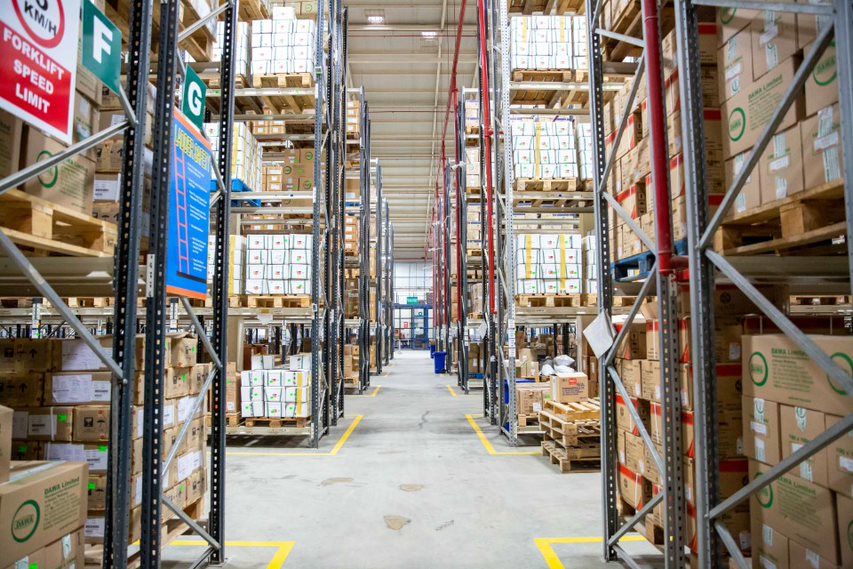
2. Inventory Control
The Inventory Control Section is responsible for monitoring and managing stock levels to ensure the continuous availability of medicines, medical supplies, and healthcare commodities while minimizing wastage and stock-related risks.
The section oversees inventory planning, stock monitoring, forecasting, replenishment coordination, expiry tracking, stock accuracy, and inventory reporting. It works closely with procurement, warehousing, and distribution teams to maintain optimal inventory levels and support efficient supply chain operations.
By implementing effective inventory management systems and controls, the section contributes to operational efficiency, product availability, and cost optimization.
Key Functions
- Inventory planning and stock monitoring
- Demand forecasting and replenishment coordination
- Stock accuracy and reconciliation
- Expiry and batch tracking
- Inventory reporting and analysis
- Stock movement monitoring
- Inventory audits and controls
- Slow-moving and obsolete stock management
- Coordination with procurement and warehousing teams
Section Head
Mr. John Kibe – Manager, Inventory Control.
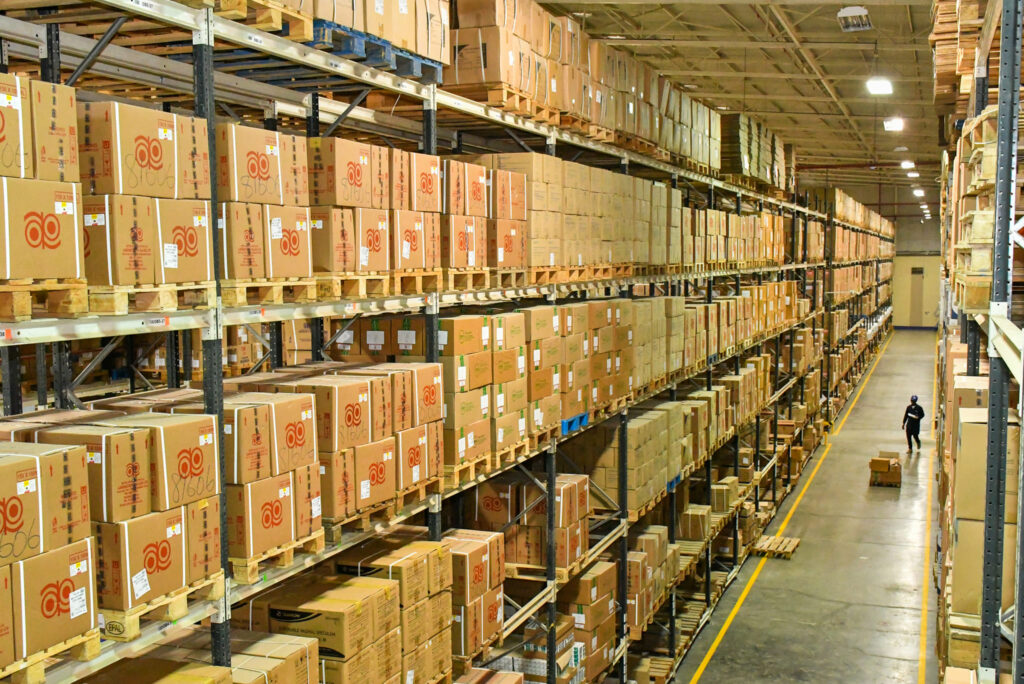
3. Warehousing & Logistics
The Warehousing & Logistics Section is responsible for the efficient storage, handling, movement, and distribution of pharmaceutical and medical products across MEDS’ supply chain network. The section ensures that health commodities are stored under appropriate conditions and delivered safely, accurately, and on time to healthcare facilities across the country.
The section oversees warehouse operations, inventory handling, order fulfillment, transportation coordination, fleet management, and distribution activities while ensuring compliance with quality assurance standards, good storage practices, and logistics regulations. It also supports temperature-sensitive product management and maintains operational controls that safeguard product integrity throughout the supply chain process.
Through integrated warehousing and logistics systems, the section enhances operational efficiency, strengthens last-mile delivery, and supports uninterrupted access to essential healthcare products and technologies.
Key Functions
- Receiving and inspection of goods
- Product storage and stock organization
- Order picking, packing, and dispatch
- Warehouse operations management
- Temperature and environmental monitoring
- Stock handling and movement control
- Transportation and distribution management
- Delivery scheduling and route planning
- Fleet coordination and monitoring
- Order tracking and delivery performance monitoring
- Cold chain logistics coordination
- Warehouse safety and regulatory compliance
- Inventory support and reconciliation
- Delivery documentation and reporting
- Implementation of good storage and distribution practices.
Dr. Samuel Were – Manager, Warehousing & Logistics.